Cold floors and chilly mornings can make familiar family routines feel far less comfortable. Warm socks offer a simple way to help everyone feel cozy without piling on bulky layers or turning up the heat for the entire house. From getting children ready for school to relaxing together after dinner, a thoughtfully chosen pair can make cold-weather days easier on feet of every size.
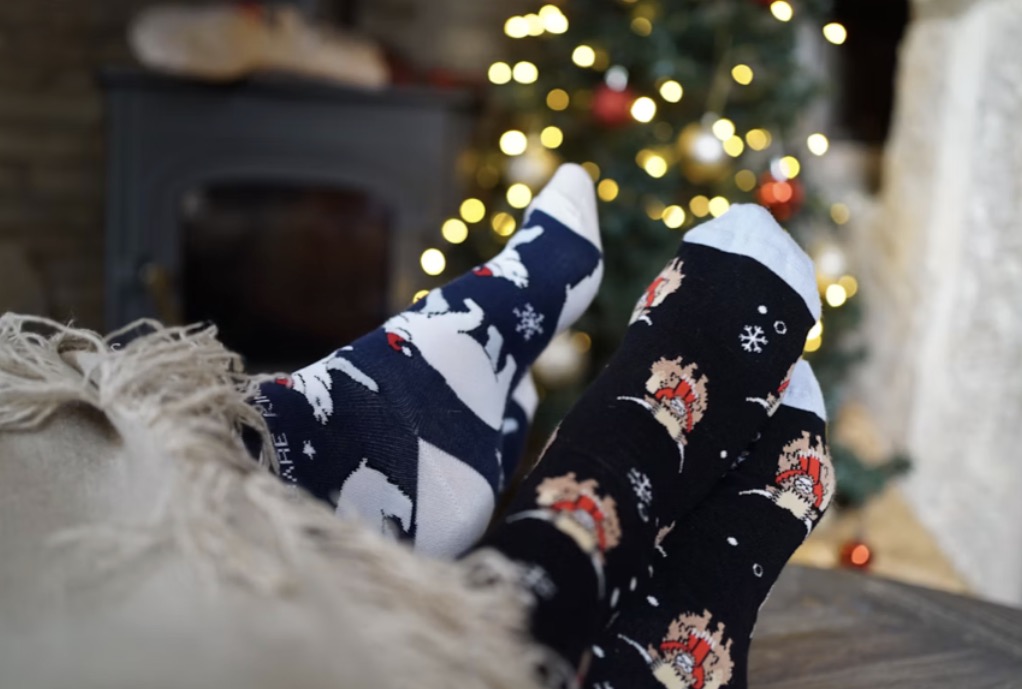
Image credit Unsplash
Why warm feet affect everyday comfort
Feet can feel cold quickly because they’re often in direct contact with tile, wood, or other cool surfaces. The body also reduces blood flow to the hands and feet as it works to preserve warmth around vital organs in cold conditions. That natural response helps explain why toes may feel chilly even when the rest of you seems comfortable.
Footwear adds insulation between the skin and the surrounding environment. A warm pair of socks traps small pockets of air close to the feet, helping slow heat loss. Coverage matters too. Crew and knee-high styles protect more of the ankle or lower leg, while shorter pairs may work well inside lined shoes.
Families should still recognize the difference between ordinary discomfort and a possible cold-related health concern. The National Weather Service guidance on cold hazards explains warning signs such as numbness, pale skin, confusion and uncontrollable shivering. Anyone showing those symptoms needs prompt attention.
For normal days at home, the solution is usually much simpler: dry feet, a suitable pair of socks and comfortable movement. Wiggling the toes, walking around for a few minutes or switching out damp socks can restore comfort surprisingly fast.
Choosing the right pair for each family member
Start with the setting where the socks will be worn. A thick pair can feel wonderful during a quiet evening on the couch but may crowd the toes inside fitted shoes. For school, work or errands, look for a lower-bulk option that fits inside everyday footwear without changing how the shoe feels.
Collections of thermal socks make it easier to compare warmth levels, lengths and styles for daily commutes, home lounging or outdoor recreation. Consider the wearer’s routine before picking the warmest option available. Someone who sits at a desk for several hours may appreciate more insulation than a child who stays active throughout the afternoon.
Fit deserves equal attention. The heel should sit in the correct place, the toe area shouldn’t bunch, and the cuff should remain secure without leaving a deep mark. Socks that are too large can wrinkle and rub, while undersized pairs may restrict movement or feel tight across the toes.
Shopping advice in this guide to top-rated warm socks also highlights practical details such as material, cushioning, and intended use. Read the care instructions before buying, especially for a busy household. Machine-washable pairs are generally easier to keep in regular rotation when several family members need them each week.
Build them into the family routine
Warm socks are most useful when they’re easy to find at the moment someone needs them. Give each person a small drawer section or basket for cold-weather pairs, then sort them by everyday wear and extra-warm use. Children can help match clean pairs after laundry, which turns a routine chore into a manageable family task.
Keep one spare pair in each child’s school bag during cold or wet months. A second set can also live in the family car, tucked into a small pouch with other seasonal essentials. Damp feet lose heat more quickly, so changing into dry socks after stepping in a puddle can prevent a miserable ride home.
At home, invite everyone to switch pairs after active play if their feet feel sweaty. The American Academy of Dermatology’s foot-care advice recommends moisture-managing habits that can help reduce odor and skin irritation. Let shoes dry fully before they’re worn again as well.
A simple rotation keeps laundry from becoming complicated. Set aside enough pairs to cover several days, plus one or two backups per person. If siblings wear similar sizes, choose different colors or cuff patterns so clean socks return to the correct drawer without debate.
Keep feet dry and comfortable indoors
More insulation doesn’t always produce greater comfort. Feet can overheat during active indoor play, and perspiration may leave socks damp. Once activity slows, that moisture can make toes feel colder. Choose warmth according to the room, the person’s activity level, and the amount of time the socks will stay on.
Natural and synthetic fibers behave differently. Wool is known for retaining insulating ability when slightly damp, while many synthetic blends are designed to move moisture away from the skin and dry quickly. Cotton feels soft but can hold moisture for longer, which may be less comfortable during extended outdoor activity. Blended fabrics often balance softness, durability and drying time for family use.
Check feet when changing socks, especially if a family member has sensitive skin. Look for redness around the cuff, rubbing at the heel or irritation between the toes. A flat toe seam may suit children or adults who dislike bulky stitching, while extra cushioning can help on hard floors.
Slippery surfaces need some thought too. Smooth socks may slide on polished stairs or hardwood. Use pairs with grip on the soles for young children, older relatives, or anyone who needs more traction. Socks should also stay clear of open flames and intense heat sources. Warmth should come from proper insulation and a comfortable room, not direct contact with a heater.
Pair cozy clothing with sensible home heating
Socks work best as one part of a comfortable home setup. If a room feels cold enough that everyone needs heavy outdoor layers, check for drafts around windows and doors before raising the thermostat. Curtains, door sweeps, and properly fitted weatherstripping can reduce cold air entering family spaces.
The ENERGY STAR advice on sealing air leaks identifies common problem areas around frames, baseboards, attic access points, and utility openings. Some fixes are simple enough for a weekend, while persistent drafts may call for professional help. Reducing leaks can make floors and seating areas feel more comfortable while helping the heating system work efficiently.
Layer clothing based on what each person is doing. A child building a blanket fort may need lighter layers than a parent working quietly at the kitchen table. A breathable shirt, comfortable pants, and warm socks often provide enough flexibility for normal indoor routines. Add a sweater when needed instead of overheating the whole room.
Temperature preferences can vary within the same family, so aim for personal options. Keep washable throws near the couch, use slippers on especially cold floors, and let family members choose sock thickness based on their comfort. This gives everyone a practical way to stay warm without creating a thermostat tug-of-war.
Make warm socks last through the season
Check the label before the first wash. Some insulated pairs tolerate a normal machine cycle, while others last longer with cool water or a gentler setting. High heat can damage elastic fibers and affect fit, so use the recommended dryer setting or air-dry pairs when the care instructions call for it.
Turn socks inside out if the inner surface traps lint or needs a more thorough wash. Fasten hook-and-loop closures on other garments before starting the load since rough fasteners can snag soft fibers. A mesh laundry bag is useful for small children’s pairs and helps prevent one sock from disappearing into a sleeve or fitted sheet.
Store socks only when they’re fully dry. Folding pairs together is gentler on cuffs than stretching one cuff around both socks. At the end of the cold season, inspect each pair for thin spots, worn heels, and stretched tops. Repair minor holes if the surrounding fabric remains strong, then recycle or repurpose pairs that no longer fit comfortably.
A labeled basket near the entryway can become a small but effective family comfort station. Stock it with clean socks in several sizes, and chilly feet have an easy fix before breakfast, homework time, or a relaxed evening together.
